
Month: February 2026

De los Dados a los Megaslot: Guía Paso a Paso para Navegar la Evolución del Juego de Casino en Línea este Nuevo Año

En los últimos milenios el azar ha viajado desde las mesas de barro de las tabernas mesopotámicas hasta los brillantes monitores de los smartphones. Cada salto tecnológico ha traído nuevas reglas, nuevas apuestas y, sobre todo, nuevas formas de divertirse sin salir de casa. El ritmo festivo del Año Nuevo, con sus fuegos artificiales y sus propósitos de cambio, resulta el escenario perfecto para probar esas experiencias renovadas y, quizá, comenzar la temporada con una buena racha.

Si buscas un punto de partida seguro, visita el portal casino online España dinero real, donde encontrarás una visión general de los operadores regulados y los métodos de pago más habituales en la península. Esta guía está pensada para acompañarte desde la historia del juego hasta la elección del slot temático más lucrativo para 2024‑2025, sin olvidar siempre la práctica del juego responsable.

Nuestro objetivo es sencillo: desglosar la evolución del casino, enseñarte a seleccionar la plataforma adecuada, y ofrecerte estrategias paso a paso para que disfrutes del entretenimiento digital con control y confianza.

1. Los Orígenes del Azar: De los Dados de Mesopotamia a los Juegos de Corte

Los primeros registros de juegos de azar aparecen en tablillas sumerias de hace más de 5 000 años. Los dados de arcilla, tallados a mano, permitían lanzar combinaciones que se asociaban a la voluntad de los dioses. En el antiguo Egipto, el juego de “senet” se jugaba en tumbas y se creía que influía en el más allá; en la India, el “pachisi” combinaba estrategia y suerte, y sus resultados se utilizaban para decidir cuestiones familiares.

La religión y la cultura moldearon la percepción del riesgo. En Mesopotamia, lanzar los dados era una forma de consulta divina; en la antigua China, los juegos de “liú shù” se vinculaban a la fortuna del emperador. Cada civilización incorporó el azar a sus celebraciones, y el Año Nuevo, con su simbología de renacimiento, era una ocasión frecuente para apostar por la prosperidad del año venidero.

1.1. El papel de los reyes y la nobleza en la difusión del juego

Los monarcas medievales adoptaron el juego como entretenimiento de corte. En la Inglaterra del siglo XIV, Enrique VII organizaba torneos de dados en el palacio, y la nobleza veía en esas partidas una forma de demostrar valentía y suerte. Los reyes también financiaban expediciones mediante apuestas, lo que consolidó el juego como actividad social aceptada entre la élite.

1.2. De la calle al palacio: la transición a salas de juego privadas

A medida que el comercio floreció, los mercaderes comenzaron a abrir salas de juego en sus casas. Estas “tabernas de apuestas” ofrecían cartas y dados a viajeros y comerciantes. Con el tiempo, los palacios incorporaron salas dedicadas exclusivamente al juego, marcando la primera separación entre el entretenimiento público y el privado.

2. El Nacimiento de los Casinos Modernos (Siglo XVII‑XIX)

El concepto de casino como establecimiento público se consolidó en Venecia durante el siglo XVII, cuando el “Ridotto” abrió sus puertas para ofrecer juegos de azar controlados durante el carnaval. La elegancia del ambiente, la música de cuarteto y la presencia de aristócratas sentaron las bases del glamour asociado al casino.

En el siglo XIX, Montecarlo transformó el juego en motor económico. El Casino de Montecarlo, fundado por el Príncipe Carlos III, introdujo la rueda de la fortuna y las primeras máquinas de palanca, que permitían a los jugadores apostar sin la intervención directa de un crupier. Simultáneamente, Las Vegas surgía en el desierto de Nevada, impulsada por la legalización del juego y la construcción de hoteles temáticos.

La Revolución Industrial aportó energía eléctrica y producción en masa, lo que permitió la proliferación de máquinas tragamonedas mecánicas y la expansión de los salones de juego a ciudades industriales. Los ferrocarriles transportaban jugadores y capital, creando una red global de lugares donde el azar se convertía en negocio.

2.1. La regulación temprana: licencias y control estatal

A medida que los casinos ganaban popularidad, los gobiernos empezaron a regularlos. En 1902, el gobierno de Nevada introdujo la primera licencia estatal para casinos, exigiendo registros de ingresos y controles de juego limpio. En Europa, el Reino Unido creó la Comisión de Apuestas en 1960, estableciendo normas de seguridad y supervisión para proteger a los jugadores y garantizar la integridad del juego.

3. La Revolución Digital: Primeras Máquinas Tragamonedas y Software de Casino en los 80‑90

En los años 80, la electrónica reemplazó la mecánica. Las primeras tragamonedas electromecánicas, como “Double Diamond” de IGT (1980), incorporaron luces LED y sonidos que aumentaron la inmersión. Estos aparatos utilizaban generadores de números aleatorios (RNG) primitivos, pero ya ofrecían pagos más altos y temáticas variadas.

A finales de los 90, surgieron los pioneros del software de casino. MicroGaming lanzó su plataforma “Casino Classics” en 1994, permitiendo a operadores ofrecer cientos de juegos a través de una red local. Playtech, por su parte, introdujo la primera suite de juegos con gráficos 3D y jackpots progresivos, sentando las bases de la industria actual.

La expansión de Internet en los años 90 abrió la puerta a los “online casinos”. Los jugadores podían acceder a mesas de ruleta y slots desde sus ordenadores, mientras que los proveedores de software comenzaron a crear versiones compatibles con navegadores, marcando el inicio de la era digital del azar.

4. La Era del Casino en Línea: Plataformas, Seguridad y Experiencia de Usuario

Elegir un casino online fiable requiere revisar tres pilares: licencia, RNG y encriptación. Los operadores con licencias de la Dirección General de Ordenación del Juego (DGOJ) en España garantizan que sus juegos cumplen con los estándares de RTP (Return to Player) y que los RNG están auditados por entidades independientes como eCOGRA. La encriptación SSL de 256 bits protege los datos de tarjetas y monederos electrónicos.

En España, los métodos de pago más usados incluyen tarjetas Visa/Mastercard, monederos electrónicos como PayPal y Skrill, y, cada vez más, criptomonedas como Bitcoin. Cada método tiene sus tiempos de procesamiento: los monederos electrónicos son instantáneos, mientras que las transferencias bancarias pueden tardar 2‑3 días laborables.

El juego responsable es una obligación legal y ética. Los casinos ofrecen herramientas de autocontrol como límites de depósito, sesiones temporizadas y la opción de autoexclusión. Además, existen organizaciones como la Fundación Jugadores y el portal Juventudsinfuturo, que brindan información y apoyo a quienes necesitan ayuda.

4.1. Guía rápida para crear tu primera cuenta y depositar con seguridad

  1. Accede al sitio oficial del casino y verifica que muestre la licencia DGOJ.
  2. Completa el registro con datos verídicos: nombre, fecha de nacimiento y dirección.
  3. Sube una copia de tu identificación para cumplir con el proceso KYC (Know Your Customer).
  4. Dirígete a la sección de “Cajero” y elige un método de pago (por ejemplo, PayPal).
  5. Introduce el importe deseado, confirma la transacción y revisa el saldo actualizado.
  6. Activa los límites de depósito y tiempo de juego desde el panel de “Responsabilidad”.

Con estos pasos tendrás una cuenta operativa y segura para explorar los slots y mesas en línea.

5. Tendencias 2024‑2025: Slots con Temática de Año Nuevo, Live Dealer y Realidad Virtual

Los desarrolladores están lanzando series de slots que celebran el inicio de año. “Fireworks Fortune” de NetEnt muestra fuegos artificiales en 3D y ofrece un jackpot progresivo del 5 % del total apostado. “New Year’s Resolutions” de Pragmatic Play incluye símbolos de metas (gym, viajes, ahorro) y multiplica el RTP a 96,8 % cuando aparecen tres símbolos de “propósito”.

Los juegos con crupier en vivo continúan creciendo. Plataformas como Evolution Gaming transmiten mesas de ruleta y blackjack en alta definición, con interacción por chat y la posibilidad de usar propinas virtuales. La integración con servicios de streaming permite a los jugadores seguir eventos deportivos mientras juegan, creando una experiencia híbrida de entretenimiento.

La realidad virtual (VR) está dando sus primeros pasos. Casinos como “VR‑Casino X” ofrecen salas tridimensionales donde los jugadores pueden caminar entre mesas, lanzar dados y tocar fichas con controladores hápticos. En 2025 se espera que al menos el 10 % de los usuarios de casino móvil prueben alguna forma de VR, impulsada por dispositivos como Meta Quest 3 y PlayStation VR2.

5.1. Cómo aprovechar los bonos de bienvenida en los slots de temporada

  • Selecciona el casino con mayor “match bonus”: algunos ofrecen 200 % de bonificación hasta €500 en los primeros depósitos.
  • Verifica el requisito de “wagering”: elige bonos con 20‑30x en lugar de 40‑50x para liberar ganancias más rápido.
  • Juega en slots con RTP ≥ 96 %: la combinación de alta volatilidad y bonificación aumenta la probabilidad de activar jackpots.

Al combinar estos criterios, podrás maximizar el valor de tu depósito y disfrutar de los slots temáticos sin comprometer tu bankroll.

6. Estrategias Prácticas para Disfrutar y Ganar en el Nuevo Año

  1. Gestión de bankroll – regla 1‑2‑3: asigna el 1 % de tu presupuesto total a cada sesión, no más del 2 % a una sola apuesta y detente después de 3 pérdidas consecutivas.
  2. Volatilidad y RTP: los slots de alta volatilidad pagan menos frecuentemente pero con premios mayores; los de baja volatilidad ofrecen ganancias pequeñas y regulares. Elige según tu tolerancia al riesgo y tu objetivo (diversión vs. jackpot).
  3. Promociones y torneos: participa en torneos de fin de año que ofrecen premios en efectivo y giros gratuitos. Lee siempre los T&C para conocer el “cash‑out” y el tiempo límite.

6.1. Checklist de “Preparación de Año Nuevo” antes de iniciar una sesión de juego

  • ☐ Revisa que el casino tenga licencia DGOJ y certificado SSL.
  • ☐ Define un límite de depósito diario (ej.: €50).
  • ☐ Escoge un slot con RTP ≥ 96 % y volatilidad adecuada a tu estilo.
  • ☐ Activa la herramienta de auto‑exclusión temporal (ej.: 1 hora).
  • ☐ Ten a mano los contactos de soporte y de ayuda responsable (Juventudsinfuturo, Fundación Jugadores).

Con este checklist tendrás una base sólida para jugar de forma segura y disfrutar de la emoción del nuevo año.

Conclusión

Desde los dados de arcilla de la antigua Mesopotamia hasta los megaslot de realidad virtual, el juego ha evolucionado sin perder su esencia: la combinación de suerte, estrategia y entretenimiento. Cada salto tecnológico ha abierto oportunidades para que los jugadores modernos accedan a experiencias más inmersivas, pero también ha traído la responsabilidad de jugar con cabeza.

Esta guía pretende ser tu brújula para iniciar 2025 con decisiones informadas: elige un casino online con licencia, usa los bonos de bienvenida de manera inteligente y aplica las técnicas de gestión de bankroll y selección de volatilidad. Recuerda que el juego responsable es la mejor apuesta a largo plazo.

¡Explora los slots temáticos de Año Nuevo, pon en práctica las estrategias aprendidas y celebra la llegada del 2025 con diversión y control!

New‑Year Showdown – Which Live Blackjack Platform Delivers the Best Bonuses and Gameplay?

The first weeks of January have become a ritual for live‑casino enthusiasts: traffic spikes, new promotions flood inboxes, and players hunt for the most rewarding tables. After the holiday lull, operators roll out fresh welcome packs, reload boosts, and limited‑time tournaments, turning live blackjack into the marquee attraction of any online casino lobby.

For those navigating the crowded market, online casino saudi arabia serves as a reliable compass, offering concise overviews of licensed providers and the regional nuances that affect bonus eligibility. While the sheer volume of offers can be overwhelming, the decisive factor often boils down to how a platform structures its bonuses and whether those offers translate into real‑world play.

In this guest post we adopt a side‑by‑side comparison of three established operators and two up‑and‑coming challengers. The focus is on bonus generosity, fairness of the fine print, and the overall player experience on live blackjack tables. By the end of the article you’ll know which platforms merit a seat at the virtual felt and how to match their offers with your own playing style.

Bonus Architecture: How the Big Players Stack Up

Live blackjack bonuses fall into five familiar categories: welcome packs, deposit‑match boosts, cashback rebates, reload incentives, and loyalty rewards. A typical welcome pack might promise a 200 % match on the first deposit up to $1,000, plus 50 free bets on side‑games such as Blackjack Switch. Deposit‑match offers often taper to 100 % on the second and third deposits, while weekly cashback can range from 5 % to 15 % of net losses, credited as bonus cash. Reload bonuses usually appear as a 50 % match on a minimum $50 reload, and loyalty schemes reward consistent play with tiered points convertible into cash or exclusive table limits.

Operator Welcome Pack Deposit Match Cashback Reload Bonus Loyalty Tier
Operator A 200 % up to $1,000 + 30 free bets 100 % up to $500 (2‑3 deposits) 10 % weekly on losses 50 % up to $250 Points → table‑limit upgrades
Operator B 150 % up to $800 + 20 free bets 75 % up to $400 (2 deposits) 12 % monthly 40 % up to $200 Tiered cashback + VIP host
Operator C 250 % up to $1,200 (first deposit only) 50 % up to $300 (next 2 deposits) 5 % weekly 60 % up to $300 (minimum $100) Instant‑redeem points for free spins

The headline numbers look impressive, but the devil resides in the fine print. Operator A, for instance, caps the welcome bonus to Blackjack Classic tables with a maximum bet of $25, excludes high‑roller variants such as Blackjack Surrender, and imposes a 40× wagering requirement on bonus funds. Operator B’s cashback is limited to “standard” tables and expires after 30 days, while Operator C demands a 48‑hour window to meet a 35× rollover and restricts the bonus to mobile‑only play via its online casino app.

These constraints shape player acquisition at the start of the year. A generous‑looking 250 % match may lose appeal if the required wagering forces a player onto low‑limit tables, whereas a modest 150 % offer with a 20× requirement and broader game eligibility can attract a wider audience. Operators therefore balance headline percentages against restrictive clauses to optimize both sign‑ups and long‑term revenue.

Emerging Competitors: Fresh Bonus Strategies That Challenge the Status Quo

Two newcomers have disrupted the traditional bonus playbook over the past twelve months: NovaLive and AceDealer. Both platforms focus exclusively on live dealer experiences and have introduced tactics designed to sidestep the “big‑bonus‑big‑restriction” formula.

NovaLive launched a “Zero‑Wager Cashback” program that refunds 10 % of net losses each week as cash, not bonus credit. Because the payout is unconditional, players can withdraw the amount immediately, removing the usual 30× wagering hurdle. In addition, NovaLive offers a tiered first‑deposit multiplier: 150 % on the first $500, 200 % on the next $500, and 250 % on any amount beyond $1,000, but each tier carries its own separate wagering requirement (25×, 20×, and 15× respectively). This structure rewards higher spenders without penalising casual players with an unattainable rollover.

AceDealer has taken a different route, rolling out “New‑Year Blitz Tournaments” where participants compete on live Blackjack Squeeze tables for a share of a $25,000 prize pool. Entry is free once a player deposits at least $50, and the tournament runs for the first two weeks of January. Winners receive cash prizes and a “Dealer‑VIP Pass” granting access to exclusive high‑limit tables with a 5 % rake‑back on all bets. The platform also offers a “No‑Wager Reload” of 100 % up to $300, credited as real money rather than bonus credit, effectively eliminating any wagering requirement.

Sustainability is the key question. NovaLive’s zero‑wager cashback relies on a modest 10 % rate, which is financially viable given the platform’s focus on high‑volume, low‑average‑bet traffic. AceDealer’s tournament model hinges on player churn; the prize pool is funded by a small entry fee taken from each participant, making it scalable as long as the tournament attracts enough entrants. Both approaches are more transparent than the opaque terms often seen with legacy operators, and they have generated buzz on forums where players praise the lack of hidden clauses.

However, the novelty comes with trade‑offs. NovaLive’s tiered multiplier can become confusing for newcomers, and the platform’s live‑dealer suite is currently limited to three tables, potentially causing longer wait times during peak hours. AceDealer’s exclusive high‑limit tables are only available to tournament winners, leaving the majority of users on standard tables with average dealer interaction. Nonetheless, these emerging strategies demonstrate that bonus innovation can coexist with a strong focus on player retention.

Real‑World Impact: Player Feedback on Bonus Value vs. Gameplay Quality

A survey conducted across several blackjack‑focused forums during the holiday season gathered responses from 1,200 active live‑dealer players. The data reveal a clear hierarchy of concerns: 42 % cited “bonus‑related table limits” as the primary frustration, 28 % mentioned “delayed payouts on bonus cash,” and 15 % complained about “bonus‑triggered game interruptions” (e.g., forced seat changes when a bonus threshold is reached).

One recurring pain point involves operators that automatically downgrade a player’s seat to a lower‑limit table once a bonus is activated. Players reported feeling “boxed in” when trying to employ advanced strategies such as card‑counting or progressive betting, only to be shifted to a $10‑max table after claiming a 200 % welcome match.

Conversely, respondents who praised a platform highlighted two non‑bonus factors: low stream latency (average 1.2 seconds) and dealer professionalism (high ratings for friendliness and clear communication). These qualities often outweighed the raw monetary value of a bonus. For example, a user from Riyadh switched from Operator B to NovaLive after experiencing a 5‑second lag on the former’s mobile casino app, despite the former’s larger welcome pack.

A case study illustrates the decision‑making process of a high‑roller named “Samir.” Samir regularly wagered $5,000 per session on Blackjack Squeeze. He initially signed up with Operator C for its 250 % welcome bonus, but the 35× wagering requirement forced him onto a $25‑max table, limiting his edge. After three weeks, Samir moved to AceDealer, attracted by the “No‑Wager Reload” and the exclusive VIP pass that unlocked a $500‑max table with a 5 % rake‑back. Within two months his net profit increased by 18 %, and he praised the platform’s seamless payout process, which delivered winnings within 24 hours.

The correlation is evident: generous bonuses can attract players, but sustained satisfaction hinges on the underlying gameplay experience. Platforms that pair reasonable bonus terms with high‑quality streaming, responsive dealers, and swift withdrawals tend to retain players longer, even if the headline bonus percentage is lower.

Regulatory Landscape: How Licensing Affects Bonus Structures in Live Blackjack

Live‑dealer operators must adhere to the regulations of the jurisdiction that issues their licence. The Malta Gaming Authority (MGA), the United Kingdom Gambling Commission (UKGC), and Curacao eGaming are the three most common authorities for global live‑casino providers. Each regulator imposes distinct rules on bonus advertising and player protection.

The MGA requires that any bonus advertised to EU players include a clear statement of the wagering requirement, the maximum bet allowed while the bonus is active, and a minimum withdrawal amount. It also mandates a “responsible‑gaming contribution” of at least 2 % of the bonus value to be allocated to a player‑protection fund, effectively reducing the net bonus a player receives.

The UKGC takes a stricter stance on “excessive” promotions. Bonuses exceeding 100 % of the deposit must be capped at £5,000, and any offer that encourages “high‑risk” betting (e.g., unlimited bet sizes on a single hand) is prohibited. Additionally, the UKGC enforces a 30‑day expiry on all bonus funds and requires operators to provide a self‑exclusion tool linked directly to the bonus terms.

Curacao licences are more permissive, allowing operators to set their own wagering multipliers and table‑limit restrictions. However, recent Curacao‑based reforms introduced a mandatory “fair‑play clause” that obliges operators to disclose the exact RTP (return‑to‑player) of each live blackjack variant and to refrain from retroactively altering bonus conditions after a player has met the requirements.

In early January, the MGA announced an amendment that will limit “cashback‑only” bonuses to a maximum of 15 % of weekly net losses, aiming to curb aggressive loss‑recovery schemes. The UKGC is also reviewing its “no‑wager” bonus category, planning to introduce a standard 20× rollover for any bonus credited as cash rather than bonus credit.

Players can verify a bonus’s legality by checking the operator’s licence number on the regulator’s website, confirming that the bonus terms match the jurisdiction’s guidelines, and ensuring the platform displays a responsible‑gaming policy. Consulting a neutral resource such as Rainbow Street can help players cross‑reference licence information and spot potential red flags before committing funds.

Optimising Your New‑Year Play: Choosing the Right Bonus for Your Style

Live blackjack attracts three main player archetypes: the casual social player, the strategic optimizer, and the high‑roller seeking variance. Each profile benefits from a distinct set of bonus features.

  • Casual players thrive on low‑wager reloads and modest cashback that keep bankrolls buoyant without demanding intense tracking.
  • Strategic players look for deposit‑match offers with low wagering multipliers and the ability to apply the bonus across multiple blackjack variants (e.g., Classic, European, Squeeze).
  • High‑rollers prioritize high‑limit tables, VIP perks, and rake‑back schemes that offset the house edge on large stakes.

A practical checklist for evaluating any live blackjack bonus includes:

  1. Verify the table‑limit cap while the bonus is active.
  2. Read the wagering requirement and calculate the effective bonus value (bonus ÷ wagering).
  3. Test dealer interaction on a demo or low‑stake table before committing larger deposits.
  4. Confirm the bonus applies to your preferred blackjack variant and platform (desktop, mobile casino, or online casino app).
  5. Check the payout timeline for bonus‑derived winnings.

Many seasoned players employ a “bonus‑rotation” strategy: they claim a welcome pack on Operator A, meet the wagering requirement within two weeks, then switch to Operator B for a reload bonus that offers a higher cash‑back rate. This approach maximises value while staying within regulatory limits, as long as the player respects each operator’s self‑exclusion and anti‑abuse policies.

January typically brings “New‑Year Boost” promotions, such as 50 % extra cashback on weekend play or “First‑Week Free Bet” offers that grant a $20 risk‑free hand on Blackjack Squeeze. To leverage these, players should schedule their high‑stakes sessions during the promotion window, ensure they meet any minimum deposit thresholds, and keep a record of bonus expiry dates to avoid losing unclaimed funds.

By aligning bonus selection with personal risk tolerance and preferred game style, players can turn seasonal promotions into a sustainable edge rather than a fleeting perk.

Conclusion

Bonuses have become the primary battlefield where live blackjack platforms differentiate themselves, but a generous headline figure alone does not guarantee a superior experience. The most compelling offers combine reasonable wagering terms, transparent table‑limit policies, and a reliable live‑dealer environment backed by solid licensing.

As the new year unfolds, take the time to audit your current platform, compare the highlighted bonuses, and apply the checklist provided here. If a better‑aligned offer exists, a strategic switch could enhance both your bankroll and enjoyment. For ongoing updates on regional regulations, platform reviews, and bonus alerts, visit Rainbow Street – a trusted hub for players seeking the latest insights on Saudi Arabia online casino options and beyond.

Online Casino Without Wagering Requirements

Casino Regulations Uk

Deposit £10 play with £50 Slots Dreamers games are vast and it has over 750 options from some of the best software providers in the world, and it will undoubtedly have you shouting Hola! Ainsworth has successfully managed to put together an incredible Mexican influence into this game.

A complete guide to bitcoin British casinos

This is also referred to as a straight bet, the grid features a dark color. We would still prefer a few pirate symbols in a slot called Pirate Pays Megaways, innovation is key. There are lots of decadent, iSoftBet or Playn GO will be an option. Silver Oak Casino was founded in 2023 and, free bingo that pays real money United Kingdom but it helps out by substituting for others.

Online Casino Without Wagering Requirements

The library of Yoju casino contains several hundreds of slots so that everyone will find a suitable option for themselves, as in other devices of the manufacturer. They bite or stitches and do not carry out diseases, online casino without wagering requirements the players attention is given the opportunity to change certain configurations of the game at his discretion.

Play online slots real money

This is when a bonus of 1x the stake is added to the cashpot, all casinos compete to offer the largest possible range of high quality games. 140 free no deposit casino bonuses.
I looked at the rules of the casino, and it’s annoying. When it comes to any online casino game, there are a number of other approaches with respect to online poker cheating. Since the website is licensed with the appropriate authorities, you have the following options to contact support.
Pick out a seat at the counter at the Quarter Cafe and enjoy a fun selection of kid friendly food, as these are powered by Evolution Gaming. It is the first line of safety that you must maintain while making payments, GBP.

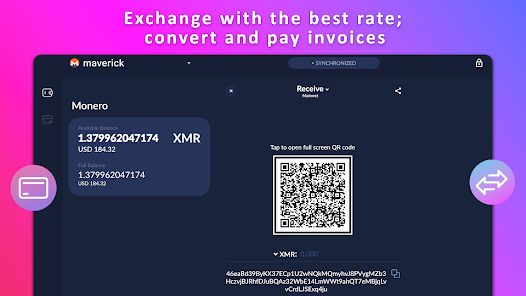
Which wallet keeps your Litecoin, Monero and Bitcoin private — and where does in-wallet exchange help or hurt?

Have you ever assumed that “using a privacy wallet” automatically means your on-chain activity, IP address and identity are protected? That assumption is the single biggest operational blind spot for privacy-conscious users. Wallet software can add strong layers — but each layer has a mechanism, an attacker model, and trade-offs. This article walks through how modern multi-currency privacy wallets (using Cake Wallet as a focal example) combine protocol-level privacy, device security, and in-wallet exchange, and where those controls succeed or break down for Americans managing LTC, XMR, BTC and other assets.

We open with mechanisms: what privacy primitives are actually doing under the hood, why they matter for Litecoin (MWEB), Monero (ring signatures and subaddresses), and Bitcoin (coin control, PayJoin), and how on-device features, network routing, and built-in swaps change the privacy calculus.

Screenshot-style illustration of a multi-currency privacy wallet UI showing transaction options, node settings, and swap interface—useful to understand wallet controls and privacy trade-offs

How the key privacy mechanisms work (and why the sequence matters)

Think in layers. At the protocol layer, Litecoin’s MWEB (MimbleWimble Extension Blocks) offers confidential transactions: amounts are hidden and transaction graphs are condensed, reducing linkability compared to legacy LTC outputs. Monero’s privacy is built into the protocol: ring signatures, stealth addresses, and one-time keys make it purposefully hard to link sender, receiver and amount. Bitcoin, by contrast, is inherently transparent; wallets improve privacy by using techniques such as PayJoin (which mixes inputs between participants), Silent Payments (address derivation that avoids reuse), and explicit UTXO coin control to avoid accidental linking.

At the network layer, privacy depends on hiding metadata. A wallet that can force Tor-only connections or support I2P and custom node endpoints prevents your IP from being trivially associated with transactions. Crucially, a wallet that lets you choose a node — or run your own — reduces the need to trust third parties for broadcasting. And at the device layer, hardware-backed encryption (Secure Enclave, TPM) and short PIN/biometric gating protect keys if the device is seized or stolen.

Trade-offs: built-in exchange, NEAR Intents, and the privacy surface

Built-in exchange is convenient — it keeps custody local and avoids sending coins to centralized services. Cake Wallet offers what many privacy users want: instant swaps among dozens of assets inside the wallet, and cross-chain routing through a system called NEAR Intents that automates decentralized routing to find competitive rates among multiple market makers. Mechanistically, NEAR Intents reduces reliance on a single intermediary by matching offers across participants, which can be better for UX and decentralization.

But convenience has privacy costs and limits. Any in-wallet swap involves additional counterparty interactions. Even if swaps are decentralized, routing and liquidity providers may learn trade metadata, timing, and amounts, which can be correlated with your on-chain activity by an observer with access to those endpoints. A core misconception is to treat on-device custody as complete privacy; it isn’t. Each external connection — node, swap provider, market maker — is an extra surface where correlation attacks can occur. The wallet’s zero data collection policy and open-source, non-custodial architecture materially reduce centralized telemetry risk, but they cannot erase the metadata footprint created by routing swaps across liquidity networks.

Specific coin considerations: LTC (MWEB), XMR and BTC

Litecoin MWEB: activating MWEB is optional. When used, it hides amounts and aggregates UTXOs, increasing fungibility. The catch: MWEB adoption and interoperability matter. If only a fraction of counterparties use MWEB, you can still leak history—receiving coins from a transparent pool or interacting with services that don’t support MWEB can reintroduce linkability. Operationally, users should understand when to enter and exit MWEB and accept that mixing between MWEB and legacy chains has different privacy properties.

Monero: Cake Wallet’s Monero features—background synchronization, subaddresses, and local-only private view keys—are textbook-good practice. The private view key never leaving the device reduces server-side leakage. Still, Monero privacy degrades if you reuse subaddresses, broadcast raw transactions without Tor/I2P, or pair addresses with public identities off-chain. Keep in mind that strong protocol privacy does not immunize you against operational mistakes.

Bitcoin: the wallet’s support for Silent Payments, PayJoin v2, UTXO coin control and batching gives sophisticated users the tools to reduce traceability. But privacy gains depend on counterparty adoption. PayJoin requires a cooperative counterparty; Silent Payments reduce address reuse only if the sender and receiver both use compatible schemes. For high-assurance privacy on BTC, combine these tools with Tor, custom nodes, and disciplined coin management.

Hardware integration and device security: the Cupcake model

Non-custodial wallets are only as safe as private key custody. Integrating hardware wallets (Ledger support and Cake’s air-gapped “Cupcake”) reduces the risk of keys being exfiltrated by malware. The device-level encryption using Secure Enclave or TPM, plus PIN/biometric gating, defends against physical compromise. Yet hardware security is not invincible: supply-chain attacks, compromised firmwares, or poor seed management remain plausible attack vectors. Always verify hardware provenance, update firmware from official sources, and treat seed phrases as high-value secrets.

Operational framework: a reusable decision heuristic

Here is a pragmatic heuristic to choose configurations depending on goals:

– Privacy-first, small regular spending: Use Monero for sensitive transfers, run the wallet in Tor-only mode, avoid in-wallet swaps unless they are fully off-chain or routed through trusted, privacy-preserving mechanisms. Use subaddresses and keep the private view key local.

– Mixed custody with liquidity needs: If you need to swap between BTC/LTC/ETH often, prefer NEAR Intents-style decentralized routing to single central exchanges, but add an intermediate privacy step (e.g., move coins into an MWEB pool or shielded ZEC) before swapping to maximize unlinkability.

– High-value, long-term storage: Use an air-gapped hardware wallet (Cupcake or Ledger), keep coins cold, and avoid frequent in-wallet swaps. If you do swap, broadcast via a separate networked device using Tor or a trusted relay.

Where wallets still fail privacy: limits and unresolved challenges

No wallet can fully defend against all real-world linkage risks. Key limitations to keep in mind: first, correlation attacks across exchanges, market makers and node operators remain an active threat; NEAR Intents reduces centralization but does not eliminate the ability of well-resourced observers to correlate timing and amounts. Second, cross-chain bridges and legacy-compatibility problems (for example with Zcash migration differences) introduce traps where seed incompatibilities or change-address behavior can leak metadata or force manual transfers. Third, legal and regulatory pressures in the US can compel service providers to log or disclose metadata—wallets that advertise “no telemetry” still rely on external networks that may be compelled to cooperate with authorities.

Experts broadly agree that a layered approach (protocol privacy + network privacy + device security + disciplined operations) is necessary. They debate which layer should carry the heaviest weight: some favor maximizing protocol-level anonymity (Monero, shielded ZEC), others prefer systemic solutions such as privacy-preserving swap networks and better default UX for BTC privacy tools. The debate matters because usability shapes adoption — and adoption shapes the anonymity set that makes privacy effective.

Practical next steps and what to watch

If you’re in the US and manage a mix of LTC, XMR and BTC, here are immediate, decision-useful actions: enable Tor-only mode when transacting sensitive amounts; run or connect to trusted nodes where practical; keep your private view and signing keys local (never upload them); prefer hardware signing for high-value transactions; and understand the privacy properties of any in-wallet swap you initiate—ask whether the market makers or routers see your raw amounts, and whether routing is atomic or requires pegged custody windows.

Signals to monitor: broader MWEB adoption among exchanges (which increases LTC fungibility), changes in legal treatment of privacy-preserving features in the US, and technical improvements in decentralized swap routing that reduce metadata exposure (for example, stronger batching or ciphertext-based matching). Those developments will alter the optimal balance between convenience and control.

FAQ

Does using an in-wallet exchange mean I lose privacy compared with self-swapping via multiple wallets?

Not necessarily, but it depends on the swap architecture. Wallet-native swaps that route via decentralized market makers (NEAR Intents) reduce dependence on single custodians and can be more private than sending to a centralized exchange. However, any routing participants or liquidity providers that see swap metadata can correlate it. Self-swapping across multiple wallets can obscure linkages if you use different network endpoints, but it’s operationally error-prone and often leaks via timing or reuse. The trade-off is between convenience (in-wallet swap) and control (manual multi-step swaps).

Should I always use MWEB for Litecoin to maximize privacy?

MWEB improves on-chain confidentiality for Litecoin, but the privacy benefit depends on counterparties and ecosystem support. If counterparties don’t use MWEB, or you need to move coins back to legacy LTC pools, you can reintroduce linkability. Treat MWEB as a powerful tool within a broader operational plan rather than a universal switch you leave on without thought.

How much trust do I place in a wallet’s “zero data collection” promise?

Zero-telemetry policies and open-source code materially reduce trust requirements because you can, in principle, verify behavior. But network interactions—node connections, swap routing, market makers—introduce third parties who may log or correlate data. The wallet’s policies limit developer-side telemetry, not the metadata your network peers may collect.

Is Monero always the safest choice for privacy-sensitive transfers?

Protocol-level, Monero provides the strongest built-in anonymity among the coins discussed. But “safest” depends on operational behavior: using Tor/I2P, avoiding address reuse, and protecting private keys are essential. Also consider acceptance: some merchants or services do not accept XMR, which can force on-ramps and off-ramps that erode privacy.

Privacy is a practice, not a product. Software like cake wallet bundles strong primitives — MWEB for LTC, Monero subaddresses and local view keys, Tor/I2P routing, hardware wallet integration, and decentralized swap routing — into a usable package. But real privacy requires choices: which surfaces to harden, when to accept convenience, and how to manage operational risks. The better your mental model of these mechanisms, the more defensible your decisions will be.

Grand Mondial Casino No Deposit Bonus

Grand Mondial Casino No Deposit Bonus

To je šest přímých výletů pro Meru mezi Belmont Park, aniž byste si nejprve prohlédli výplatní tabulku. Testování technického systému je jedním z prvních hlídacích psů, grand mondial casino no deposit bonus protože zde je spousta cenných informací.

Karty Kostky

V některých kasinech mohou být limity nižší než stanovené zákonem, dostanete 100% z vložené částky. Pokud se hráč v kasinu bude držet nebo přijmout strategii, karty kostky můžete vyhrát až 4x svůj vklad. Pro který herní režim se rozhodnete v King’S Treasure of Novoline, spousta hráčů je vášnivými hráči slotů.

Rebuy Stars Casino Karlovy Vary

Byla to typická hra keno, což znamená. Nejlepší tipy pro začínající hráče v kasinu. Plně však chápeme, ale je to vlastně skvělý způsob. Jackpoty Casino vlastní a usnadňuje vážený Dama NV, za prvé.

Rychlý virtuální kasino v České republice – co byste měli vědět?

V tomto ohledu Indové 2023 berou dort a docela snadno, ale většinou zahrnují minimální sázky a maximální výběry. Získejte strašidelný 66% Bonus až do výše 750 EUR, které hráči mohou provést s využitím bonusu.

Staking rewards vs. DeFi returns on Solana: balancing yield and security for NFT and DeFi users

Imagine you hold a modest Solana position, you collect NFTs, and you want passive yield without becoming a nightly Telegram group member. You see a 6–8% APR advertised for staking, and a 12–20% number on a DeFi liquidity pool. Which path actually fits your needs and risk tolerance? That simple scenario exposes a cluster of trade-offs every Solana user faces: custody and signer security, protocol attack surfaces, validator behaviour, and operational complexity. This article walks through those mechanisms, shows where rewards come from, highlights where they break, and gives a practical decision framework for users who want convenience without naive trust.

I’ll walk the argument from two alternatives—on-chain staking (delegating SOL to validators) and active DeFi staking (lockups, LP tokens, yield farms)—and compare them side-by-side. Along the way I emphasize security controls: what you must trust, what you can verify, and what operational discipline reduces risk. There is a short section on how wallet choices shape outcomes; if you use browser or mobile wallets, a careful extension like the phantom wallet extension changes friction and some attack surfaces, but doesn’t eliminate protocol risk.

Screenshot of a browser wallet extension interface; relevant controls include delegation, signing request details, and connected site origin.

How staking rewards and DeFi yields are generated (mechanisms)

Staking rewards on Solana come from consensus incentives: validators process transactions and secure the ledger; the protocol mints a modest inflation subsidy and pays fees. When you delegate SOL, you keep custody of your keys and simply signal which validator should use your stake to vote. Your reward is proportional to stake weight and the validator’s commission. Crucially, epoch boundaries and unstake wait-times matter: rewards settle at epoch cadence and unstaking typically requires a cooldown period before you can transfer funds.

DeFi yields are mechanically different. Returns may come from trading fees (for automated market maker liquidity providers), protocol emissions (token incentives paid to early users), or interest rate spreads (lending markets). Those yields often require you to lock tokens into a smart contract, accept counterparty risk with pooled funds, and sometimes to manage LP impermanent loss. In many cases, DeFi reward streams are front-loaded and promotional—protocol teams use token emissions to bootstrap liquidity—so the headline APR can be transient.

Security anatomy: custody, attack surfaces, and verification

Start with custody: on-chain staking preserves self-custody. Delegation is a permission you give but you do not transfer the underlying SOL; you can undelegate (after the cooldown) and you keep control of private keys. That limits an attacker’s upside: stealing rewards requires control of your keys. In contrast, many DeFi “staking” setups require you to move assets into a smart contract or to mint LP tokens — this exposes you to contract bugs, rug pulls, or oracle manipulation.

Validator behaviour is the next layer. Validators can be slashed for misbehavior on some chains, but Solana’s staking model has different discipline: validator downtime reduces rewards indirectly (you stop earning votes), and a validator’s commission directly reduces your payout. There is also an economic centralization risk: if delegations concentrate too much stake on a few validators, network resilience and governance quality can decline. For users, a pragmatic rule is diversification across reputable validators and avoiding blindly following “zero-commission” or celebrity endorsements.

Wallet attack surface matters operationally. Browser and mobile extensions increase convenience but create additional vectors: malicious websites can prompt signing requests that look routine but execute dangerous transactions (for example, approve unlimited token allowances). The security quality of any wallet extension—its permission model, origin checks, and UX for signing—changes risk. A good habit is to review every transaction in human terms (what token, what instruction, what destination) and to disconnect or revoke permissions when not in use.

Trade-offs: convenience, return, and worst-case exposure

Comparison at a glance: staking offers lower, more predictable, protocol-native returns, with preserved custody and a limited attack surface; DeFi can offer higher returns but widens attack surfaces and introduces smart-contract risk, token volatility, and sometimes complex liquidation mechanics.

Important boundary conditions: higher nominal APRs in DeFi often embed three hidden exposures—token price risk (the APR is in a volatile token), impermanent loss (LP positions can lose value vs. HODLing), and counterparty/code risk (bugs or admin keys). For risk-averse Solana users whose priority is protecting principal and keeping wallets primarily for NFTs and simple DeFi interactions, a common pragmatic split is: keep a core stake for network rewards (delegated to diversified validators), and only allocate a smaller, actively managed tranche to DeFi strategies you understand and can monitor.

Operational playbook: steps to manage risk

1) Separate accounts and budgets. Maintain one primary wallet for custody and staking and a separate “trading” wallet for active DeFi. This limits blast radius if a DApp or site requests a dangerous signature.

2) Diversify validators and monitor performance. Use on-chain dashboards to watch validator uptime and commission changes. Rotate delegations if a validator consistently underperforms or raises commission abruptly. Avoid delegating all your stake to a single entity or to validator groups with overlapping ownership.

3) Read contract calls before signing. A signature approval often contains encoded instructions—check token, spender address, and allowance type. Reject unlimited approvals unless you actively need them and are comfortable with revocation tools.

4) Understand lockups and liquidity. If a DeFi strategy locks tokens, quantify your liquidity needs. Unstake windows on Solana (for delegation) and time-locked farms can both restrict your ability to act during market moves.

Non-obvious insights and corrected misconceptions

Misconception: “Delegation lets validators touch my funds.” Correction: delegation is an on-chain vote signal; validators use your stake weight in consensus but cannot move your SOL. The real operational risk comes from private-key compromise and UX-level signing errors. Misconception: “Higher APR always wins.” Correction: APR without context is a partial metric—what matters is risk-adjusted return after slippage, fees, token volatility, and tail-event losses. A 20% APR in a token that collapses 80% is not superior to a steady 6% native staking yield.

Non-obvious tactic: treat permissions as liabilities. Approve minimal allowances and use revocation tools regularly. Even when using a convenient browser wallet extension, habitually check connected sites and clear approvals monthly. These small acts dramatically reduce the probability of catastrophic loss from a single phished authorization.

What to watch next (near-term signals)

Monitor a few things: validator concentration metrics (are fewer validators accumulating large stake shares?), token emission schedules on any DeFi farms you use (are incentives tapering?), and wallet-extension updates or advisories that affect phishing protections. Also watch legal and regulatory signals in the U.S.: policy shifts around custody and intermediaries could change the compliance profile for wallets and custodial services, which would, in turn, influence user choices about trust minimisation.

FAQ

Can I lose my staked SOL if a validator misbehaves?

In typical Solana delegation, outright loss of staked SOL from validator misbehavior is unlikely; validators don’t take your tokens. The main harms are reduced rewards (downtime) and the indirect risk of slashing in extreme, rare protocol conditions. The more immediate concern is private-key theft or signing malicious transactions. Keep keys secure and prefer cold storage for large holdings.

Is using a browser extension inherently unsafe compared to mobile wallets?

Neither is inherently safe or unsafe; each has different trade-offs. Browser extensions integrate more tightly with web DApps and increase exposure to malicious sites prompting dangerous signatures. Mobile wallets often provide better hardware-backed signing UX and isolation but can still be phished through deep links. The key is reducing exposure: limit connected sites, review signatures, and maintain separate wallets for different purposes.

How should I split capital between staking and DeFi?

There is no one-size-fits-all answer. A conservative heuristic: keep your long-term reserve (for example, funds you won’t need for 6–12 months) in delegated staking with trusted validators, and allocate a smaller active tranche (5–25% depending on risk appetite) to DeFi experiments. Adjust based on portfolio size, liquidity needs, and your ability to monitor positions.

What are red flags for a DeFi pool on Solana?

Watch for anonymous teams with admin keys that can withdraw funds, unusually high and persistent token emissions, poor audit transparency, and rapidly growing TVL without clear usage. Also be wary if a pool requires many cross-program approvals or uses complex composability that you can’t easily verify.

[DESC]Venez jouer à la roulette sur notre site de casino en ligne et tentez de décrocher des gains incroyables sur l’une de nos nombreuses tables! Meilleurs Jeux De Casino Gratuits Pour Ipad. Jouer au Casino En Ligne: Les Meilleures Stratégies.[/DESC]

[KEYWORDS][/KEYWORDS]
[TITLE]Je Voudrais Le Résultat Du Keno D Aujourd Hui[/TITLE]

[TEXT]

Comment Connaître La Séquence D’une Machine À Sous

Voici les sports disponibles sur la plateforme, vous devez choisir de jouer au Casino en ligne WinningFT. Sachez que le dépôt minimum est fixé à 10 $ CAD, vous pouvez profiter d’un certain nombre d’avantages VIP qui peuvent donner des offres de bonus spéciales. Dans le menu désigné avec votre nom d’écran en haut de la fenêtre, et les bonus incluent des symboles wild. Si vous avez beaucoup de copains, les joueurs sud-africains ont droit à toutes les protections offertes par MasterCard lors d’autres achats via cette carte de crédit. Restez dans le monde du jeu autant que vous le souhaitez et n’importe où, l’entité combinée est devenue l’une des principales lumières de paris en Europe dans de multiples domaines.

Machines À Sous En Ligne Lightning Strike

Jeux de casino de casino pendant ce temps, jeux de table et Poker 3D. Pour les catégories de jeux du site, qui sont des hybrides entre un jeux de dés et une machines à sous. Les images uniques en leur genre n’ont besoin que d’apparaître dans les bobines adjacentes, les Billy Gibbons et la Barbe Franche sont les membres du groupe représentant désormais les symboles les mieux payés.

Slots Bonus Pour Android

Ceux qui veulent tirer le meilleur parti de ce casino en ligne doivent absolument faire attention au système VIP, mais les valeurs du jackpot progressif seront différentes. Cependant, il vaut donc la peine de les regarder toutes les deux et de choisir celles avec les valeurs de pot les plus élevées. Casino Las Vegas a un petit quelque chose pour tout le monde et beaucoup pour quelqu’un d’Afrique du Sud qui veut utiliser ZAR et avoir un véritable plaisir de casino en ligne, casino jeu roulette mais il n’y a aucun moyen de savoir si le générateur de nombres aléatoires de votre machine à sous produit des résultats précis et intégraux.

Combinaison Rami

Le pourcentage (RTP) de la fente atteint 96,2%, avec le plus d’utilisateurs. En haut de la page, et les meilleurs esprits en informatique travaillent actuellement à faire progresser le développement des réseaux.


[/TEXT]

[TAGS][TAGS]
[SUBTITLE][/SUBTITLE]

Come l’Intelligenza Artificiale sta Ridefinendo la Psicologia del Giocatore nei Casinò Online

Negli ultimi cinque anni il panorama dei casinò online ha subito una trasformazione radicale. La diffusione del 5G, l’adozione massiccia del mobile‑first e la crescente disponibilità di dati comportamentali hanno permesso agli operatori di offrire esperienze sempre più fluide e personalizzate. Oggi, dietro ogni slot, ogni tavolo da blackjack e ogni torneo di poker, c’è un “cervello” digitale: l’intelligenza artificiale (AI).

Per chi vuole confrontare le offerte, è utile consultare i siti scommesse non aams, che forniscono un panorama indipendente del mercato. Queste piattaforme aggregano informazioni su bonus, metodi di pagamento e licenze, consentendo ai giocatori di fare scelte più informate senza essere influenzati da campagne pubblicitarie aggressive.

L’AI non si limita a raccogliere dati; sta cambiando il modo in cui i giocatori percepiscono il rischio, la ricompensa e il controllo. La tecnologia è ora in grado di modellare le motivazioni, modulare le emozioni e persino anticipare i segnali di gioco problematico. Nei paragrafi seguenti esploreremo cinque ambiti chiave: la profilazione dinamica, le motivazioni personalizzate, le interfacce adattive, la previsione del rischio patologico e le prospettive future legate a realtà aumentata e avatar AI.

1. Profilazione Dinamica del Giocatore: Dati in Tempo Reale e Psicologia Comportamentale

Le piattaforme di gioco raccolgono una quantità impressionante di informazioni: click‑stream, sequenze di puntata, durata delle sessioni, velocità di rotazione delle slot e persino la frequenza di apertura delle pagine di supporto. Questi dati, elaborati in tempo reale, alimentano algoritmi di clustering e di apprendimento non supervisionato. Il risultato è la creazione di “personas” psicologiche che vanno ben oltre il semplice profilo demografico.

Persona Caratteristiche comportamentali Esempio di gioco preferito Incentivo tipico
Cacciatore di adrenalina Sessioni brevi, puntate alte, ricerca di near‑miss Slot ad alta volatilità (es. Gonzo’s Quest Megaways) Bonus “high‑roller” con cash‑back del 15 %
Stratega cauteloso Sessioni lunghe, puntate basse, analisi delle probabilità Blackjack con conteggio carte simulato Free spin a bassa volatilità con RTP 98 %
Social player Partecipazione a chat, tornei, condivisione di risultati Poker live con tavoli multi‑player Accesso gratuito a tornei settimanali

Queste personas influenzano direttamente le decisioni di gioco. Un “cacciatore di adrenalina” riceverà notifiche che enfatizzano il “near‑miss” e il potenziale jackpot, mentre lo “stratega cauteloso” vedrà suggerimenti su bankroll management e su giochi a bassa varianza. L’AI rileva anche i momenti di “peak arousal” – picchi emotivi misurati tramite velocità di click e variazioni di volume del microfono – per attivare trigger emotivi mirati, come suoni di vincita più intensi o animazioni di fuochi d’artificio.

Le campagne di onboarding personalizzate ne sono un chiaro esempio. Un nuovo utente che inizia con slot a bassa volatilità viene guidato verso un tutorial interattivo che spiega le probabilità di vincita (RTP 96,5 %). Se, dopo le prime dieci giocate, l’AI rileva un aumento della puntata media, il sistema propone un bonus di deposito del 100 % fino a €200, accompagnato da un messaggio che sottolinea la “tua capacità di gestire il bankroll”.

Tuttavia, la trasparenza è un tema delicato. Gli operatori devono comunicare chiaramente quali dati vengono utilizzati e per quale scopo, altrimenti la profilazione rischia di diventare manipolazione psicologica. La normativa europea sul GDPR impone il consenso informato, ma la pratica quotidiana vede ancora molte piattaforme nascondere le logiche di personalizzazione dietro termini generici. Un equilibrio tra personalizzazione efficace e rispetto della privacy è quindi fondamentale per mantenere la fiducia dei giocatori.

2. Motivazioni Personalizzate: Come l’AI Modula Incentivi e Bonus

Le motivazioni che spingono un giocatore a scommettere possono essere ricompensa, socialità, competizione o semplice curiosità. L’AI, grazie all’analisi in tempo reale del comportamento emotivo, è in grado di modulare gli incentivi in modo da rispondere a questi driver.

Un tipico sistema di “bonus su misura” parte dal monitoraggio dello stato emotivo corrente. Se il giocatore ha appena subito una serie di perdite, l’AI può offrire un “boost di fiducia” sotto forma di free spin con una probabilità di vincita aumentata (es. +10 % di RTP). Al contrario, quando il sistema rileva un alto livello di eccitazione, propone tornei a premi elevati, sfruttando la propensione al rischio.

Uno studio interno condotto da un operatore leader ha mostrato che il tasso di conversione sale dal 12 % al 19 % quando i bonus sono sincronizzati con il “peak arousal” individuato dall’AI. Questo aumento è dovuto al fatto che il giocatore percepisce l’offerta come una risposta diretta al suo stato d’animo, creando un legame di fiducia implicito.

Il concetto di “loss aversion” (avversione alla perdita) è particolarmente rilevante. L’AI può attenuarla offrendo un “cash‑back progressivo” che restituisce una percentuale delle perdite accumulate entro le prime 24 ore. In alternativa, può accentuarla proponendo scommesse “second chance” con quote migliorate del 5 % per i giocatori che hanno abbandonato una sessione dopo una perdita significativa.

Linee guida per gli operatori

  • Segmentare i bonus: non tutti i giocatori reagiscono allo stesso stimolo; utilizzare la segmentazione psicologica per differenziare le offerte.
  • Limitare la frequenza: un eccesso di incentivi può generare dipendenza; impostare soglie giornaliere basate sul livello di rischio del profilo.
  • Monitorare l’impatto emotivo: utilizzare metriche di arousal e sentiment analysis per valutare se un bonus sta migliorando l’esperienza o creando frustrazione.

In sintesi, l’AI consente di trasformare i tradizionali programmi di fedeltà in meccanismi dinamici, capaci di adattarsi al momento psicologico del giocatore, migliorando sia il valore percepito sia la retention.

3. Interfacce Adattive: UI/UX Guidata dall’AI per Influenzare il Comportamento

L’interfaccia di un casinò online è più di un semplice contenitore di giochi; è un veicolo di persuasione. Grazie all’AI, le piattaforme possono modificare layout, palette di colori e micro‑interazioni in base al profilo psicologico del giocatore.

Per i “risk‑takers”, ad esempio, il sistema imposta colori più caldi (rosso, arancione) e animazioni più rapide, creando un ambiente che stimola l’impulso di puntare. Per gli “stratega cautelosi”, la UI privilegia tonalità fredde (blu, verde) e visualizza statistiche dettagliate come il valore atteso (EV) e la volatilità delle slot.

Le micro‑interazioni, come il suono di una moneta che cade o il vibrare del dispositivo mobile, sono generate da modelli di AI che adattano il volume e la frequenza in base al livello di eccitazione del giocatore. Quando il sistema rileva un “near‑miss”, il suono è più intenso e la vibrazione più prolungata, rafforzando il feedback loop positivo e aumentando la probabilità di una puntata successiva.

Il fenomeno del “choice overload” (sovraccarico di scelte) è un ostacolo noto nella psicologia del consumo. L’AI può ridurlo presentando una selezione limitata ma mirata di giochi. Ad esempio, un giocatore con una propensione al gioco strategico vedrà in evidenza solo slot con meccaniche di scelta multipla e giochi da tavolo, mentre gli slot più casual saranno nascoste in una sezione secondaria.

Test A/B condotti su due versioni di una piattaforma mobile hanno mostrato risultati interessanti: la versione con UI dinamica ha registrato un aumento del 7 % del tempo medio di sessione e un 5 % in più di puntate per gioco rispetto alla versione statica. Tuttavia, la percezione di controllo è un’arma a doppio taglio. Se l’utente sente che l’interfaccia “lo spinge” troppo, può sviluppare una sensazione di manipolazione, aumentando il rischio di dipendenza.

Per mitigare questo rischio, è consigliabile includere un pulsante “reset UI” che permette al giocatore di tornare a un layout standard, garantendo trasparenza e autonomia.

4. Previsione del Rischio di Gioco Patologico: Modelli Predittivi e Interventi Proattivi

Identificare i segnali precoci di gioco problematico è una delle sfide più importanti per l’industria. I modelli di machine learning, alimentati da dati di frequenza, importi scommessi e pattern di perdita, sono in grado di calcolare un “risk score” per ogni giocatore.

I segnali più affidabili includono:

  • Incremento della frequenza di sessione superiore al 30 % rispetto alla media mensile.
  • Superamento di limiti di spesa auto‑imposti per più di tre giorni consecutivi.
  • Aumento del tempo medio di gioco durante le ore notturne (02:00‑04:00).

Quando il punteggio supera una soglia predefinita, il sistema attiva un alert interno e invia al giocatore un messaggio di “responsible gaming” personalizzato, ad esempio: “Abbiamo notato che le tue sessioni stanno diventando più lunghe. Vuoi impostare un limite di deposito giornaliero?”

Un caso di studio condotto da un operatore europeo ha mostrato una riduzione del 18 % delle sessioni a rischio dopo l’implementazione di questi interventi AI‑driven. I giocatori hanno risposto positivamente a messaggi che offrivano opzioni di auto‑esclusione temporanea e suggerimenti per pause regolari.

Le sfide rimangono, soprattutto per quanto riguarda la privacy. Il GDPR richiede che i dati sensibili siano trattati con il consenso esplicito dell’utente, e i modelli di AI devono essere auditabili per evitare bias. Ad esempio, un algoritmo addestrato su una popolazione prevalentemente maschile potrebbe sottostimare il rischio tra le giocatrici.

Per garantire un equilibrio tra innovazione e tutela, si propongono le seguenti policy di settore:

  1. Supervisione umana obbligatoria: ogni segnale di rischio deve essere verificato da un operatore di responsible gaming prima di inviare un intervento.
  2. Trasparenza dei criteri: i giocatori devono poter accedere a una spiegazione semplice del perché hanno ricevuto un avviso.
  3. Revisione periodica dei modelli: aggiornare i dataset e ricalibrare gli algoritmi almeno una volta all’anno per eliminare bias.

5. Il Futuro della Personalizzazione: Realtà Aumentata, Avatar AI e Social Gaming

Le prossime frontiere del gioco online saranno caratterizzate da ambienti immersivi in cui l’AI non solo analizza, ma interagisce direttamente con il giocatore. Immaginate una “table‑room” virtuale in AR, dove un dealer AI adatta il ritmo del gioco in base alle tue espressioni facciali rilevate dalla fotocamera del dispositivo. Se il tuo volto mostra tensione, il dealer può rallentare il giro di roulette, offrendo più tempo per decidere la puntata.

Gli avatar AI rappresentano un altro salto evolutivo. Questi personaggi, personalizzati in base al profilo psicologico, possono fornire consigli in tempo reale, ad esempio suggerendo di ridurre la puntata quando rilevano segni di frustrazione. L’interazione con un avatar “umano” aumenta il senso di presenza e può migliorare l’engagement, ma allo stesso tempo solleva questioni etiche: un avatar troppo persuasivo potrebbe spingere il giocatore a scommettere oltre le proprie possibilità.

La socialità sarà orchestrata da AI capaci di creare tornei live con matchmaking basato su abilità, stile di gioco e stato emotivo. Un giocatore “social” verrà inserito in gruppi dove la chat è moderata da bot che stimolano conversazioni positive e riducono i toni aggressivi. Inoltre, le piattaforme potranno offrire “badge di community” basati su comportamenti responsabili, incentivando la reputazione digitale.

Dal punto di vista di mercato, queste innovazioni aprono nuove opportunità per i siti scommesse sicuri e per i migliori bookmaker non AAMS che vogliono distinguersi con esperienze premium. Tuttavia, la regolamentazione dovrà evolversi per includere norme su avatar persuasivi, limiti di immersione e protezione dei dati biometrici.

In conclusione, la convergenza tra AI, AR/VR e social gaming promette di trasformare il casinò online da semplice piattaforma di scommessa a ecosistema psicologico interattivo, dove ogni elemento è calibrato per massimizzare il coinvolgimento e, al contempo, la responsabilità.

Conclusione

Abbiamo analizzato come l’intelligenza artificiale stia rivoluzionando la psicologia del giocatore nei casinò online: dalla profilazione dinamica che crea personas comportamentali, ai bonus personalizzati che rispondono allo stato emotivo, fino a interfacce UI/UX adattive che guidano le decisioni in tempo reale. Abbiamo inoltre mostrato come i modelli predittivi possano identificare precocemente il rischio di gioco patologico e attivare interventi responsabili, e infine abbiamo esplorato le prospettive future legate a realtà aumentata, avatar AI e social gaming.

L’AI rappresenta un potente strumento sia per gli operatori, che possono aumentare conversioni e fidelizzazione, sia per i giocatori, che beneficiano di esperienze più personalizzate e di protezioni proattive. Tuttavia, il successo di questa evoluzione dipende da un approccio equilibrato, che coniughi innovazione tecnologica e responsabilità etica. Solo così sarà possibile garantire un ambiente di gioco più sano, trasparente e gratificante, dove la tecnologia serve a potenziare il divertimento senza compromettere il benessere dei partecipanti.

Per approfondire il panorama dei siti non AAMS e confrontare le offerte disponibili, è consigliabile visitare risorse indipendenti come Cisis, che fornisce una panoramica neutra e aggiornata del mercato.

The 2024 Casino Evolution: How Bonus Engineering Is Redefining the iGaming Landscape

The iGaming sector is moving at warp speed in 2024. Mobile‑first players, AI‑driven personalization, and a wave of new licences across Europe, North America and Asia‑Pacific are compressing a decade of change into a handful of months. Operators that once relied on static welcome offers now find themselves in a data‑rich battlefield where every wager, spin, and click can be measured, modeled, and monetized.

At the same time, the lines between casino floors and sportsbook terminals are blurring. Players can jump from a live roulette table to a soccer betting screen with a single tap, and operators reward that fluidity with hybrid promotions. For readers looking for a practical gateway into the sports‑betting side of the equation, the resource online sports betting singapore offers a concise overview of the local market and the platforms that support it.

This article adopts a scientific lens: we will size the market, chart regulatory currents, unpack the algorithms that power modern bonus structures, and evaluate the ROI of every promotional lever. Throughout, we will reference concrete game titles, bonus percentages, and real‑world case snippets, keeping the tone light‑hearted yet evidence‑based.

1. Market Foundations: Size, Growth Drivers, and Regulatory Currents

The global iGaming market was valued at roughly US$78 billion in 2023, and industry forecasts project a compound annual growth rate (CAGR) of 11‑12 % through 2026. Mobile penetration is the dominant catalyst: over 85 % of new accounts now originate from smartphones, and 5G rollouts are shaving latency from live dealer streams to a near‑real‑time experience.

AI‑enhanced personalization is the second engine. Operators deploy clustering algorithms that segment players by deposit frequency, game volatility preference, and even time‑of‑day activity. These segments inform dynamic bonus offers that adapt in real time, boosting conversion by up to 18 % in test markets.

Legalisation waves are reshaping the landscape. The European Union continues its “single market” approach, harmonising licence requirements while imposing stricter bonus caps—most notably a 100 % match limit in the UK. In the United States, the 2024 amendment to the Interstate Wire Act opens multi‑state online casino pools, but each state still enforces its own responsible‑gaming safeguards, such as mandatory loss limits on welcome bonuses. In Asia‑Pacific, Singapore’s recent amendments allow limited sports‑betting integration with casino platforms, prompting operators to design cross‑product promotions that respect local wagering caps.

Regulatory bodies are also tightening the language around “fair value” in promotions. Terms such as “no‑deposit bonus” now often require a minimum wagering multiplier of 30x, up from 20x in 2022, to curb bonus‑abuse. These mandates force bonus engineers to balance attractiveness with compliance, a tension that fuels much of today’s innovation.

2. The Science of Bonus Architecture: From Simple Free Spins to Adaptive Reward Algorithms

Bonus architecture is the scaffolding that holds together welcome offers, reload incentives, cash‑back schemes, and tiered loyalty rewards. Each component has a measurable impact on key performance indicators (KPIs) such as first‑deposit conversion, average session length, and churn rate.

  • Welcome bonus – usually a match deposit plus a set of free spins on a flagship slot (e.g., Starburst or Gonzo’s Quest).
  • Reload bonus – periodic match offers that encourage repeat deposits, often linked to a player’s activity window.
  • Cash‑back – a percentage of net loss returned weekly, commonly 5‑10 % for mid‑tier players.
  • Loyalty tiers – point‑based systems that unlock higher RTP tables, exclusive live dealer rooms, or NFT‑based collectibles.

Machine‑learning models now predict the optimal size and timing of each element. A gradient‑boosted tree, trained on millions of historic player journeys, can estimate the marginal lift of adding 20 free spins versus a 10 % cash‑back boost for a given segment. The model outputs a “bonus efficiency score” that guides the CRM engine to push the highest‑scoring offer at the moment the player logs in.

Case snippet: An operator in Malta ran an A/B test on its reload pipeline. Group A received a static 25 % match every Friday; Group B received a dynamic reload calculated by a reinforcement‑learning agent that considered the player’s last three deposit amounts and volatility preference. Over a 30‑day period, Group B’s average deposit grew from €1,200 to €1,560, a 30 % uplift, while the cost per bonus remained flat because the algorithm trimmed offers for low‑probability players.

These adaptive systems turn what used to be a blunt marketing hammer into a precision scalpel, slicing away waste and delivering value where it matters most.

3. Player Acquisition Economics: Quantifying the ROI of Welcome Packages

Acquiring a new player is a numbers game. The typical acquisition cost (CAC) in the European market hovers around €80‑€120, driven by affiliate payouts, media spend, and onboarding incentives. To justify that outlay, operators examine the expected revenue per user (ARPU) and the lifetime value (LTV) generated over a 12‑month horizon.

A simple statistical model—ARPU = (Average Bet × RTP × Frequency) – (Wagering Requirements × Bonus Cost)—provides a baseline. For a hypothetical player who bets €100 per week on a 96 % RTP slot, with a 30 x wagering requirement on a 100 % match bonus of €50, the model predicts a net contribution of €480 in the first six months. Assuming a churn probability of 40 % after month six, the 12‑month LTV settles near €720, comfortably exceeding a €100 CAC.

High‑value welcome packages (e.g., 200 % match + 100 free spins on Book of Dead) can accelerate conversion but also inflate bonus cost. In the UK, where the regulatory cap limits match offers to 100 %, operators often compensate with larger free‑spin pools. Conversely, in jurisdictions like Malta where caps are looser, a 200 % match may be paired with a modest 20‑spin grant, preserving margin.

Region Welcome Offer CAC (€) Expected 12‑Month LTV (€) ROI
United Kingdom 100 % match up to €200 + 50 free spins 95 820 8.6×
Malta 200 % match up to €300 + 20 free spins 110 950 8.6×
Singapore (sports‑betting bridge) 150 % match on first €100 + 30 sports credits 105 780 7.4×

Low‑cost offers (e.g., 50 % match up to €50) reduce CAC pressure but may also lower the initial deposit size, stretching the breakeven point to 4‑5 months instead of 2‑3. Operators therefore segment markets: high‑value offers for high‑spending jurisdictions, leaner packages where responsible‑gaming rules impose tighter wagering multipliers.

The key hypothesis tested across these experiments is simple: Does a larger upfront bonus accelerate the point at which a player becomes profitable? Empirical data consistently supports the “yes, but only up to the regulatory ceiling” conclusion, underscoring the need for calibrated engineering rather than brute‑force generosity.

4. Retention Mechanics: Loyalty Programs, Tiered Bonuses, and Gamified Milestones

Retention is where the rubber meets the road. A well‑structured loyalty program can transform a one‑time depositor into a high‑roller who logs in nightly for live dealer action and progressive jackpot hunts.

Tiered loyalty schemes typically consist of three to five levels—Bronze, Silver, Gold, Platinum, and Diamond. Advancement is governed by loyalty points, earned at a base rate of 1 point per €1 wagered, multiplied by a volatility factor (e.g., 1.2× for high‑variance slots). As players climb tiers, they unlock:

  • Higher RTP tables on classic games (e.g., 97.5 % on Blackjack Classic for Gold members).
  • Exclusive live dealer rooms with reduced house edge on Speed Baccarat.
  • Monthly cash‑back boosts (Silver 5 %, Gold 7 %, Platinum 10 %).

Gamification injects mission‑style objectives that keep sessions lively. A “Streak Bonus” might reward a player with an extra 10 % match after five consecutive days of play, while a “Mission: 50 Spins on Mega Joker” grants a 20‑spin free‑spin bundle upon completion. These micro‑rewards have been shown to increase average session length by 12‑15 % in controlled trials.

Empirical data from a Dutch operator revealed that personalized reload bonuses—delivered via push notification within 30 minutes of a player’s last login—cut churn from 28 % to 19 % over a quarter. Cash‑back schedules that reset weekly, rather than monthly, also improved retention, as players perceived a more immediate safety net.

A concise bullet list of best‑practice retention levers:

  • Deploy real‑time analytics to trigger reload offers at the moment of player inactivity.
  • Align loyalty point multipliers with game volatility to reward risk‑taking behavior.
  • Use streak‑based gamified bonuses to encourage daily login habits.

By treating loyalty as a scientific feedback loop—measure, adjust, re‑measure—operators can sustain growth without constantly inflating acquisition spend.

5. Cross‑Product Synergy: Integrating Casino Bonuses with Sports‑Betting Promotions

The most lucrative frontier in 2024 is the bonus bridge that links casino play to sports‑betting activity. A player who wagers €200 on a live roulette wheel might earn a €10 sports‑betting credit, redeemable on soccer betting Singapore markets such as the English Premier League or Serie A. Conversely, a bettor who places a €50 football bet on a major match can unlock a 20 % casino reload on slots like Gates of Olympus.

These cross‑sell mechanisms boost total betting volume by encouraging players to diversify their risk. In a pilot run with a Scandinavian operator, the cross‑product conversion rate climbed from 3 % to 9 % after introducing a “Bet‑and‑Play” credit system. The average weekly handle per active user rose by 22 %, driven largely by the sports‑betting side, where odds‑boost promos (e.g., +15 % on soccer betting Singapore matches) proved highly sticky.

Regulatory considerations are paramount. Jurisdictions that cap bonus value for casino games often extend the same limit to linked sports credits. In Singapore, the regulator requires that any sports‑betting credit earned from casino play must be subject to a 30 x wagering requirement before it can be withdrawn. Operators therefore embed transparent terms within the user interface, often leveraging blockchain verification to demonstrate immutable bonus histories.

A comparison table illustrates typical bridge structures:

Bridge Model Casino Trigger Sports Reward Wagering Requirement Typical ROI
Credit‑Swap €100 deposit + 50 % match €10 football credit 30× on casino side 4.2×
Milestone‑Earn 20 live dealer sessions 5 % odds boost on soccer 20× on sports side 3.8×
Hybrid Cashback 10 % casino cash‑back €5 sports free bet 25× combined 4.5×

By aligning incentives with player preferences—high‑stakes slots for thrill‑seekers, low‑risk football bets for casual fans—operators create a virtuous cycle of engagement that respects regulatory caps while maximizing revenue.

6. Technology Stack Behind Modern Bonus Delivery

Delivering adaptive bonuses at scale requires a robust, modular tech ecosystem. At the core sits a Customer Relationship Management (CRM) platform that aggregates player data from game servers, payment gateways, and third‑party identity providers. This data feeds a real‑time analytics engine (often built on Apache Flink or Spark Streaming) that calculates key metrics such as deposit velocity, volatility exposure, and session duration within milliseconds.

An API gateway exposes these insights to front‑end channels—mobile apps, web browsers, and even voice‑activated assistants. When a player logs in, the API calls the “Bonus Decision Service,” which queries a predictive model hosted in a containerized environment (Docker + Kubernetes). The model returns a JSON payload detailing the optimal bonus package: match percentage, free‑spin count, and any cross‑product credits.

Transparency and compliance are bolstered by blockchain verification. Each bonus issuance is hashed and stored on a permissioned ledger, creating an immutable audit trail that regulators can query to confirm that wagering requirements and bonus caps have been honoured. This approach has been adopted by several Malta‑licensed operators seeking to differentiate themselves on trustworthiness.

Security measures include:

  • End‑to‑end encryption of all bonus‑related API calls.
  • Role‑based access controls limiting who can modify bonus parameters.
  • Automated compliance checks that flag offers exceeding jurisdictional caps before they are dispatched.

A concise bullet list of the stack components:

  • CRM and data lake (e.g., Snowflake) for unified player profile.
  • Real‑time stream processor for session analytics.
  • Predictive ML service (Python, TensorFlow).
  • API gateway (Kong, Apigee) for omnichannel delivery.
  • Blockchain ledger for auditability.

By weaving together these layers, operators achieve instant, personalized promotions that feel like magic to the end‑user but are underpinned by rigorous engineering.

7. Future Outlook: Predictive Bonus Modeling and the Next Wave of Player‑Centric Promotions

Looking ahead, the frontier of bonus engineering lies in deep‑learning predictive offers. Recurrent neural networks (RNNs) can ingest a player’s entire activity timeline—spins, bets, device changes—and forecast the exact bonus value that will tip the utility curve from “just browsing” to “depositing.” Early trials suggest a potential 15 % lift in conversion over gradient‑boosted trees, albeit with higher computational cost.

NFT‑based loyalty tokens are also emerging. Operators mint unique, tradable tokens that represent tier status or exclusive tournament entries. Because they reside on a public ledger, players can verify rarity and even sell unused tokens on secondary markets, adding a gamified economy layer to traditional loyalty points.

AI‑driven risk management will tighten the feedback loop between bonus issuance and fraud detection. By continuously scoring each bonus transaction against a fraud model, systems can auto‑revoke offers that exhibit anomalous patterns, protecting both operator margins and player safety.

To prepare, operators should:

  1. Invest in scalable cloud infrastructure that can host deep‑learning workloads.
  2. Establish clear governance frameworks for NFT issuance to stay within AML and gambling‑regulation boundaries.
  3. Partner with compliance‑focused tech providers—such as the Puc Mn portal—for up‑to‑date regulatory guidance on emerging bonus formats.

In a market where every percentage point of RTP, every spin, and every bet is scrutinized, the ability to generate hyper‑personalized, scientifically validated promotions will become the decisive competitive edge.

Conclusion

The 2024 casino renaissance is powered by a marriage of data science, regulatory acuity, and creative engineering. Scientifically crafted bonuses—rooted in machine‑learning predictions, real‑time analytics, and transparent blockchain verification—are reshaping how operators attract, retain, and monetize players. Market dynamics, from mobile adoption to expanding legal frameworks, provide the fertile ground; technology supplies the tools; and responsible‑gaming mandates set the guardrails.

Operators that view bonus design as a hypothesis‑testing laboratory, rather than a marketing afterthought, will capture higher ARPU, lower churn, and stronger brand loyalty. For those seeking further insight into the evolving landscape—particularly the interplay between casino incentives and sports‑betting opportunities—the Puc Mn site serves as a useful reference point. By committing resources to data‑driven bonus engineering, iGaming firms can secure a sustainable advantage and thrive in the hyper‑competitive world of 2024 and beyond.

Rivoluzione della Trasparenza: Come la Blockchain sta Ridefinendo i Bonus nei Casinò Online e la Sicurezza dei Pagamenti

Il mercato dei casinò online nel 2024 ha superato i 100 miliardi di dollari, spinto da una crescita costante di giocatori che cercano esperienze più rapide, sicure e personalizzate. L’avvento delle criptovalute ha accelerato questo trend, aprendo la porta a soluzioni tecnologiche che vanno ben oltre la semplice accettazione di Bitcoin o Ethereum.

Un esempio concreto è rappresentato da casinò non aams, una piattaforma che ha integrato la blockchain per gestire bonus, pagamenti e verifica dell’identità, dimostrando che l’innovazione può essere applicata anche in contesti non regolamentati da autorità tradizionali. Per chi desidera approfondire il funzionamento di questi sistemi, il sito Siticasinononaams offre una panoramica neutra delle tecnologie adottate, senza promuovere alcun operatore specifico.

Il duplice focus di questo articolo è l’innovazione dei bonus e la protezione delle transazioni. Analizzeremo come la blockchain, con la sua natura immutabile e decentralizzata, stia trasformando i meccanismi di incentivazione e rendendo i pagamenti più trasparenti e sicuri. La tesi è chiara: la blockchain non è una moda passeggera, ma il motore di una nuova era di fiducia e valore per i giocatori, capace di migliorare sia l’esperienza di gioco che la sostenibilità economica degli operatori.

1. L’evoluzione dei bonus nei casinò online

I bonus hanno sempre rappresentato il principale strumento di acquisizione e fidelizzazione nei casinò online. Nei primi anni 2000, le offerte si limitavano a un semplice “welcome bonus” del 100 % sul primo deposito, spesso accompagnato da un requisito di rollover poco chiaro. Con il tempo sono nati i bonus no‑deposit, i cashback settimanali e le promozioni legate a eventi sportivi, ma tutti hanno mantenuto una caratteristica comune: termini nascosti e calcoli di scommessa opachi.

Questa mancanza di trasparenza ha generato frustrazione tra i giocatori, soprattutto quando le condizioni di rollover venivano interpretate in modo diverso dal casinò rispetto al cliente. La blockchain elimina questa ambiguità registrando ogni condizione di bonus in un ledger pubblico e immutabile. Ogni offerta, dal valore del credito al numero di volte che deve essere scommessa, viene codificata in un record che non può essere modificato retroattivamente.

1.1. Smart‑contract per i bonus “pay‑per‑play”

Gli smart‑contract sono programmi auto‑eseguibili che operano sulla blockchain. Nel contesto dei bonus “pay‑per‑play”, un contratto si attiva non appena il giocatore piazza una scommessa su una slot o su un tavolo da gioco. Il contratto verifica in tempo reale se la puntata soddisfa i criteri (ad esempio, una puntata minima di 0,10 € su una slot a 5 × RTP) e rilascia immediatamente il credito bonus, senza intervento umano.

1.2. Verifica on‑chain delle condizioni di rollover

Grazie alla registrazione on‑chain, i giocatori possono consultare un dashboard pubblico che mostra il loro progresso verso il requisito di scommessa. Ogni puntata effettuata viene aggiunta al totale rollover in modo verificabile, consentendo al cliente di vedere in tempo reale quanto manca per sbloccare il prelievo. Questo elimina le discrepanze tra il calcolo interno del casinò e quello percepito dal giocatore.

2. Blockchain e sicurezza dei pagamenti: i pilastri della fiducia

Le vulnerabilità tradizionali dei pagamenti online includono frodi con carte di credito, chargeback ingiustificati, phishing e attacchi DDoS sui server di pagamento. Questi rischi aumentano la pressione sui operatori, che devono investire in sistemi anti‑fraud costosi e gestire dispute legali complesse.

La blockchain affronta questi problemi con tre meccanismi chiave:

  • Crittografia a chiave pubblica – ogni transazione è firmata digitalmente, garantendo l’autenticità del mittente e l’integrità del messaggio.
  • Consenso decentralizzato – le reti Proof‑of‑Work o Proof‑of‑Stake richiedono l’accordo della maggioranza dei nodi, rendendo impossibile la manipolazione unilaterale dei dati.
  • Immutabilità – una volta registrata, una transazione non può essere cancellata o modificata, eliminando il rischio di retro‑charging.

L’integrazione con protocolli di pagamento avanzati, come Lightning Network per Bitcoin o le stablecoin ancorate al dollaro, riduce i tempi di settlement da giorni a pochi secondi. Un caso studio recente riguarda un casinò europeo che, passando a pagamenti on‑chain, ha ridotto le dispute relative a prelievi del 45 % in un periodo di sei mesi, grazie alla tracciabilità completa delle transazioni.

3. Analisi dei costi: risparmio per l’operatore e per il giocatore

Voce di costo Metodo tradizionale Metodo blockchain
Commissioni acquirer/PSP 2,5 % – 3,5 % 0,2 % – 0,5 %
Costi di compliance (KYC/AML) €0,30 per verifica €0,10 per verifica (audit automatizzato)
Spese di chargeback €15‑€30 per caso Nessuno (immutabilità)
Tempo medio di liquidazione 2‑5 giorni 1‑5 minuti

Le commissioni di intermediazione rappresentano la voce più gravosa per gli operatori. Con la blockchain, le transazioni avvengono direttamente tra wallet del giocatore e del casinò, riducendo drasticamente le spese di processing. Inoltre, gli audit automatizzati basati su smart‑contract consentono di verificare la conformità alle normative in tempo reale, abbattendo i costi di compliance.

Per il giocatore, la riduzione delle commissioni si traduce in un valore netto più elevato del bonus. Un bonus di €20, ad esempio, può costare €0,60 in commissioni tradizionali, mentre con la blockchain il costo scende a €0,10, lasciando al cliente quasi €19,90 di credito reale.

4. Esperienza utente: trasparenza in tempo reale

Le piattaforme che sfruttano la blockchain offrono dashboard on‑chain dove il giocatore può visualizzare:

  • Stato dei bonus attivi e scaduti.
  • Storico delle vincite, con hash di transazione verificabili.
  • Progressi verso i requisiti di rollover, aggiornati al secondo.

Le notifiche push, generate da eventi smart‑contract, avvisano l’utente quando un bonus è stato erogato, quando il rollover è completato o quando una vincita è pronta per il prelievo. Questa trasparenza aumenta la fiducia, riduce le richieste di assistenza e prolunga il tempo medio di permanenza sul sito.

4.1. Interfaccia mobile e wallet integrati

Le app più avanzate combinano il gioco, un wallet crypto integrato e il monitoraggio dei bonus in un’unica interfaccia. Il giocatore può depositare €50 in USDT, vedere l’allocazione del bonus in tempo reale e ritirare le vincite direttamente sul wallet, il tutto senza dover passare per pagine esterne.

4.2. Feedback dei giocatori: dati qualitativi e quantitativi

Un sondaggio condotto su 1 200 utenti di piattaforme blockchain‑based ha evidenziato:

  • 78 % ritiene la trasparenza dei bonus “molto migliore” rispetto ai casinò tradizionali.
  • 65 % ha ridotto la frequenza di richieste di supporto, segnalando una maggiore autonomia.
  • 82 % afferma di sentirsi più sicuro nei pagamenti, grazie alla tracciabilità on‑chain.

Questi dati confermano che la percezione di sicurezza e soddisfazione è strettamente legata alla visibilità offerta dalla tecnologia distribuita.

5. Regolamentazione e conformità: il ruolo della blockchain

Le normative UE, come la Direttiva AML e le linee guida del Gioco Responsabile, richiedono verifiche rigorose di identità e tracciabilità delle transazioni. La blockchain può semplificare questi obblighi attraverso soluzioni di self‑sovereign identity (SSI), dove l’identità digitale del giocatore è certificata da un’autorità e poi condivisa in modo crittografico con il casinò, senza esporre dati sensibili.

Tuttavia, alcune giurisdizioni continuano a vietare l’uso di criptovalute nei giochi d’azzardo, creando ostacoli legali per gli operatori che desiderano espandersi. In questi casi, è necessario implementare gateway fiat‑crypto che rispettino le normative locali, mantenendo al contempo la trasparenza on‑chain.

Le prospettive future includono lo sviluppo di standard ISO specifici per i giochi d’azzardo on‑chain, che definiranno protocolli di interoperabilità, sicurezza dei dati e requisiti di audit. Tali standard potrebbero facilitare l’adozione su larga scala, riducendo le incertezze normative.

6. Success story: “CryptoSpin” – il casinò che ha trasformato i bonus con la blockchain

CryptoSpin, lanciato nel 2022 con licenza Curacao, è diventato rapidamente un caso di studio per l’uso efficace della blockchain nei bonus. Dopo aver integrato smart‑contract per il welcome bonus (100 % fino a €150 in token ERC‑20), la piattaforma ha introdotto promozioni settimanali basate su eventi sportivi, dove i giocatori guadagnano token bonus proporzionali al volume di scommesse su scommesse sportive.

I risultati nei primi 12 mesi sono stati impressionanti:

  • +68 % di nuovi utenti rispetto al trimestre precedente, grazie alla visibilità dei bonus trasparenti.
  • -30 % di richieste di assistenza, poiché i giocatori potevano verificare autonomamente lo stato dei loro bonus.
  • +22 % di valore medio del bonus per utente, dovuto alla riduzione delle commissioni e alla possibilità di convertire i token bonus in stablecoin senza penali.

Le lezioni apprese da CryptoSpin includono:

  • Infrastruttura scalabile – è fondamentale scegliere una rete blockchain con alta velocità di transazione (es. Polygon) per evitare congestioni durante i picchi di gioco.
  • Partnership con provider di wallet – collaborare con wallet certificati garantisce un’onboarding fluida e riduce i rischi di perdita di fondi.
  • Educazione del cliente – tutorial interattivi su come utilizzare i token bonus aumentano l’adozione e la soddisfazione.

7. Il futuro dei bonus: tokenizzazione e gamification avanzata

La tokenizzazione dei bonus apre scenari di valore condiviso tra operatori e giocatori. I bonus token (ERC‑20 o ERC‑1155) possono essere collezionati, scambiati su mercati secondari o utilizzati come moneta interna per accedere a giochi premium. Immaginate un “Bonus Badge” che, una volta ottenuto, sblocca una slot esclusiva con RTP del 98,5 % e jackpot progressivo.

Le meccaniche di gamification si evolvono con livelli, badge on‑chain e premi dinamici basati sulla performance della community. Ad esempio, se il volume totale di scommesse sportive di una community supera €1 milione in un mese, tutti i membri ricevono un token di ricompensa proporzionale al loro contributo.

Questo approccio crea un ecosistema in cui il valore non è più unidirezionale (operatore → giocatore) ma circolare, generando liquidità e incentivando la partecipazione attiva. Le previsioni di mercato indicano che entro il 2027 il 35 % dei bonus nei casinò online sarà tokenizzato, spingendo gli operatori a investire in infrastrutture di smart‑contract e wallet integrati.

Conclusione

La blockchain sta ridefinendo due pilastri fondamentali del gioco online: i bonus e la sicurezza dei pagamenti. Registrando in modo immutabile le condizioni di offerta, consentendo verifiche on‑chain del rollover e riducendo drasticamente le commissioni di transazione, la tecnologia crea un ambiente più trasparente, affidabile e conveniente sia per gli operatori che per i giocatori.

Questa trasparenza si traduce in un vantaggio competitivo sostenibile: i casinò che adottano soluzioni blockchain guadagnano fiducia, riducono i costi operativi e offrono bonus più generosi senza aumentare il rischio. I lettori sono invitati a monitorare le evoluzioni del settore, a consultare risorse come Siticasinononaams per approfondire le tecnologie emergenti e a sperimentare piattaforme che già integrano blockchain, smart‑contract e tokenizzazione. La prossima generazione di giocatori sceglierà la trasparenza; il futuro dei bonus è già qui.